Perfect Bound, Saddle Stitch or Hardcover? How to Choose the Right Binding
Binding changes how your publication looks, feels and lasts, and it has a big impact on price. Here's a plain-English guide to the main options and when to use each one.
Binding is one of the first decisions you'll make on any multi-page print job, and it affects far more than appearance. The right choice depends on your page count, how long the piece needs to last, how it will be used and, of course, your budget. Here's a straightforward guide to the options we're asked about most.
Saddle stitch
Saddle stitching is the simplest and most economical binding. Folded sheets are nested inside each other and stapled through the spine fold.
- Best for: magazines, newsletters, event programmes, short catalogues and brochures.
- Page count: must be a multiple of four, and works best for thinner publications. Once a document gets too thick, the pages start to creep and the spine won't sit flat.
- Pros: low cost, quick to produce, opens flat easily.
- Cons: no printable spine, and it feels less premium than other options.
Perfect binding
Perfect binding glues the pages into a wraparound cover to create a clean, square spine, the finish you see on most paperbacks and thicker magazines.
- Best for: larger catalogues, annual reports, soft cover books and premium magazines.
- Page count: suited to higher page counts where there's enough thickness to form a spine.
- Pros: professional finish, printable spine for branding and shelf visibility.
- Cons: doesn't lie completely flat when open, and costs a little more than saddle stitch.
PUR binding
PUR is a stronger form of perfect binding that uses a polyurethane adhesive. It looks the same but grips pages far more securely.
- Best for: publications that get heavy use, or jobs printed on coated stocks where standard glue can struggle.
- Pros: excellent durability, opens flatter than standard perfect binding, handles temperature changes well.
- Cons: slightly higher cost than standard perfect binding.
Hardcover (case binding)
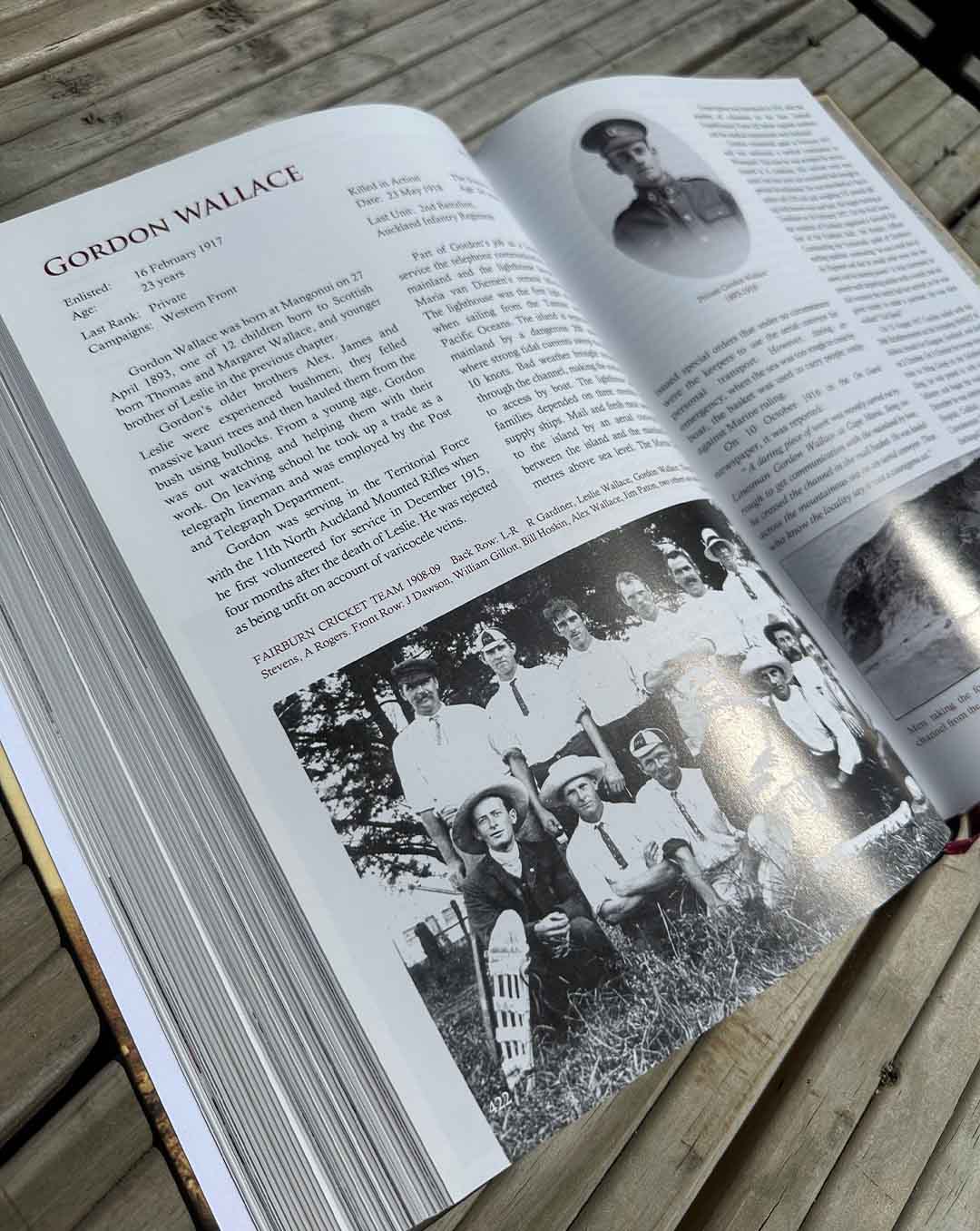
Hardcover books have their pages sewn or glued into a rigid case made from grey board wrapped in printed paper or cloth. Endsheets join the text block to the cover.
- Best for: coffee table books, histories, commemorative publications and anything designed to last for years.
- Pros: the most durable and premium option, with plenty of scope for finishes such as foiling, embossing and spot UV.
- Cons: the highest cost and longest production time of the options here.
Quick guide: which binding should I choose?
- Short, affordable and fast? Saddle stitch.
- A thicker publication with a professional spine? Perfect binding.
- Heavy use or coated paper? PUR binding.
- Built to last and to impress? Hardcover.
Not sure? Leave it with us
If you're unsure which binding suits your project, you can leave the binding field blank on our quote form. Tell us your page count, quantity and how the piece will be used, and our team will recommend the best option for your budget. With over 26 years in large volume print, we've seen just about every combination.
Get a free quote and we'll talk you through your options.
Ready to GetStarted?
Get your free printing quote in 2 hours. Compare our prices and see how much you'll save.
Some of OUR WORK
Every project receives the same ISO certified quality and attention to detail. See examples of our catalogue, magazine, book and brochure printing.